Study Tables: The Complete SEO Guide to Choosing the Perfect Study Table for Every Home
A study table is one of the most essential pieces of furniture in any modern home, especially in an age where children, students, and working professionals require a dedicated space for reading, writing, and digital work. With growing focus on productivity, comfort, and organized living, study tables today are designed not only to serve a functional purpose but also to elevate home interiors with style.
Whether placed in a living room corner, a bedroom, a study room, or a home office, the right study table can transform daily routines and significantly improve concentration and efficiency. This comprehensive guide explores everything you need to know about study tables—their types, materials, benefits, features, buying tips, styling ideas, ergonomic considerations, and maintenance practices.
1. What Is a Study Table?
A study table is a dedicated surface designed for reading, writing, studying, working on a laptop or computer, and organizing educational or professional materials. Unlike regular tables, study tables are crafted with ergonomics, storage options, and productivity-focused features to support long hours of focused work.
These tables come in a wide variety of designs, from compact wall-mounted versions to spacious wooden desks with drawers. A well-designed study table enhances comfort, supports good posture, and creates a structured environment for learning or working.
2. Why a Study Table Is Important in Modern Homes
2.1 Improves Concentration
A dedicated study area helps the mind focus better compared to studying in random places like the bed or sofa.
2.2 Supports Proper Posture
The right height and design help prevent neck pain, back pain, and wrist strain, especially during long sessions.
2.3 Keeps Study Materials Organized
With shelves, drawers, and compartments, study tables minimize clutter and keep everything easily accessible.
2.4 Enhances Productivity
A clean and well-arranged workspace boosts motivation, creativity, and time management.
2.5 Defines a Personal Learning or Work Zone
Having a study table makes learning feel structured and consistent, especially for children and remote workers.
3. Types of Study Tables
Study tables come in many styles designed for different needs and spaces. Some of the most popular types include:
3.1 Standard Study Table
A simple table with a flat top suitable for writing, reading, and laptop use.
3.2 Study Table with Storage
Includes drawers, shelves, or cabinets to store books, stationery, and personal items.
3.3 Wall-Mounted Study Table
A space-saving option perfect for small homes or compact study corners.
3.4 Foldable Study Table
Lightweight and portable, ideal for smaller rooms or temporary study setups.
3.5 Computer Study Table
Designed to accommodate desktops or laptops with features like cable management and keyboard trays.
3.6 L-Shaped Study Table
Offers an expansive work surface, suitable for multitasking and dual-monitor setups.
3.7 Kids’ Study Table
Colorful, safe, and ergonomically designed for young learners with rounded edges and height suitability.
3.8 Industrial or Modern Study Table
Combines wood and metal elements for a stylish, contemporary look.
4. Materials Used in Study Tables
The material determines durability, appearance, and overall quality.
4.1 Solid Wood Study Tables
Highly durable, sturdy, and timeless in appearance. Perfect for long-term use.
4.2 Engineered Wood Study Tables
Affordable, stylish, and lightweight. Available in many finishes and designs.
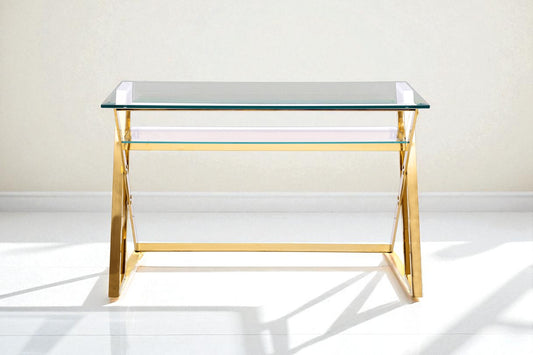
4.3 Metal Frame Study Tables
Provide strength and a modern look when paired with wooden or glass tops.
4.4 Glass Top Study Tables
Sleek and minimalist, though more delicate than wood.
4.5 MDF or Particle Board Study Tables
Budget-friendly choices for temporary or light usage.
5. Key Features to Look for in a Study Table
Choosing the right study table depends on considering several important features:
5.1 Ergonomic Height
A study table with a height of around 28–30 inches helps maintain proper posture.
5.2 Spacious Tabletop
Provides enough room for books, laptops, lamps, and writing.
5.3 Storage Options
Drawers, shelves, and cabinets help keep study materials organized.
5.4 Strong Frame Structure
A durable frame ensures stability during writing or typing.
5.5 Smooth and Easy-to-Clean Surface
Makes daily cleaning effortless and keeps the table looking new.
5.6 Cable Management Support
Useful for laptop or computer users to keep cables tidy.
5.7 Comfortable Leg Space
Adequate legroom enhances comfort during long study hours.
6. How to Choose the Best Study Table for Your Needs
6.1 Assess Your Space
Measure the area where you plan to place the table, ensuring it fits comfortably without crowding the room.
6.2 Define Your Purpose
For reading and writing, a standard table works well. For computer-heavy tasks, choose a table designed for digital use.
6.3 Consider Storage Requirements
If you need to store books, notebooks, or devices, choose a table with drawers or shelves.
6.4 Prioritize Ergonomics
Select a table height that supports a healthy sitting posture.
6.5 Match with Home Interior
Choose a design and color that blends seamlessly with your existing décor.
6.6 Check Durability
Opt for high-quality materials if you're looking for long-term use.
7. Benefits of Using a Study Table
7.1 Keeps You Organized
Study tables help maintain a neat arrangement of books, stationery, and devices.
7.2 Promotes Healthy Habits
A designated space motivates daily study routines and work consistency.
7.3 Enhances Productivity and Focus
A structured environment reduces distractions and helps maintain concentration.
7.4 Improves Posture and Comfort
An ergonomically designed table supports the spine and reduces physical strain.
7.5 Increases Room Functionality
Study tables make rooms more functional and visually appealing.
8. Study Table Styling Ideas
8.1 Minimalist Setup
Choose clean décor like a desk lamp, a plant, and essential stationery for a clutter-free workspace.
8.2 Study Table with Bookshelf Combination
Place books vertically or stack them aesthetically to create an academic vibe.
8.3 Add Personal Touches
Display inspirational quotes, photo frames, or small décor items.
8.4 Use Organizers
Desk organizers and trays keep everything in place and improve efficiency.
8.5 Add Soft Lighting
A warm desk lamp creates a cozy and focused environment.
9. Best Rooms to Place a Study Table
9.1 Bedroom
A quiet and personal space ideal for studying or working.
9.2 Living Room Corner
Perfect for small homes or shared spaces with multifunctional use.
9.3 Study Room
Designed specifically for educational or work activities.
9.4 Home Office
Ideal for professionals working remotely or studying from home.
9.5 Guest Room
Adding a study table enhances comfort and utility for visitors.
10. Ergonomics: Why Seating and Table Height Matter
Good ergonomics can make a huge difference in comfort and productivity.
10.1 Ideal Sitting Position
Keep your back straight, feet flat on the floor, and elbows at a comfortable angle.
10.2 Table Height
A height of 28–30 inches works well for most adults.
10.3 Chair Compatibility
Choose an adjustable chair with good lumbar support.
10.4 Screen Placement
Your laptop or monitor should be at eye level to avoid neck strain.
11. Study Table for Children: What to Consider
Children need a table that fits their height, comfort, and study style.
Important considerations:
- Safe edges (rounded corners)
- Correct table height
- Attractive colors to motivate study
- Sufficient surface area
- Sturdy construction
A child-friendly study table nurtures good learning habits from an early age.
12. Study Table Ideas for Small Spaces
12.1 Wall-Mounted or Floating Tables
Great for compact rooms and minimalist layouts.
12.2 Foldable Tables
Useful for temporary workspaces.
12.3 Corner Study Tables
Utilize unused corners efficiently.
12.4 Slim Profile Tables
Narrow tables that still offer functional space.
13. Maintenance Tips for Study Tables
13.1 Clean Regularly
Wipe with a soft cloth to remove dust and spills.
13.2 Protect the Surface
Use coasters, mats, or desk pads.
13.3 Avoid Direct Sunlight
Prevents fading—especially for wood or laminated surfaces.
13.4 Check Stability
Ensure screws and fittings remain tight over time.
13.5 Keep Organized
A clean workspace boosts productivity and reduces stress.
14. Study Tables vs. Office Desks
FeatureStudy TableOffice DeskPurposeReading, writing, studyingProfessional computer or office workDesignMinimal and compactLarger and more feature-richStorageBasic to moderateExtensiveErgonomicsSimple comfortAdvanced ergonomic featuresPriceAffordableCan be higher
Both are useful, but study tables offer simplicity, affordability, and versatility for home use.
A well-designed study table is a long-term investment that enhances productivity, supports healthy posture, and improves overall workflow. Whether you're a student, a working professional, or someone who loves reading and writing, the right study table provides structure, comfort, and organization in your daily routine.
From stylish modern designs to functional tables with storage, today’s study tables cater to every space and need. Choosing a high-quality, ergonomic, and aesthetically pleasing study table ensures that your home becomes a more efficient, inspiring, and organized environment.


 Sold out
 15% OFF


